
Blog
-
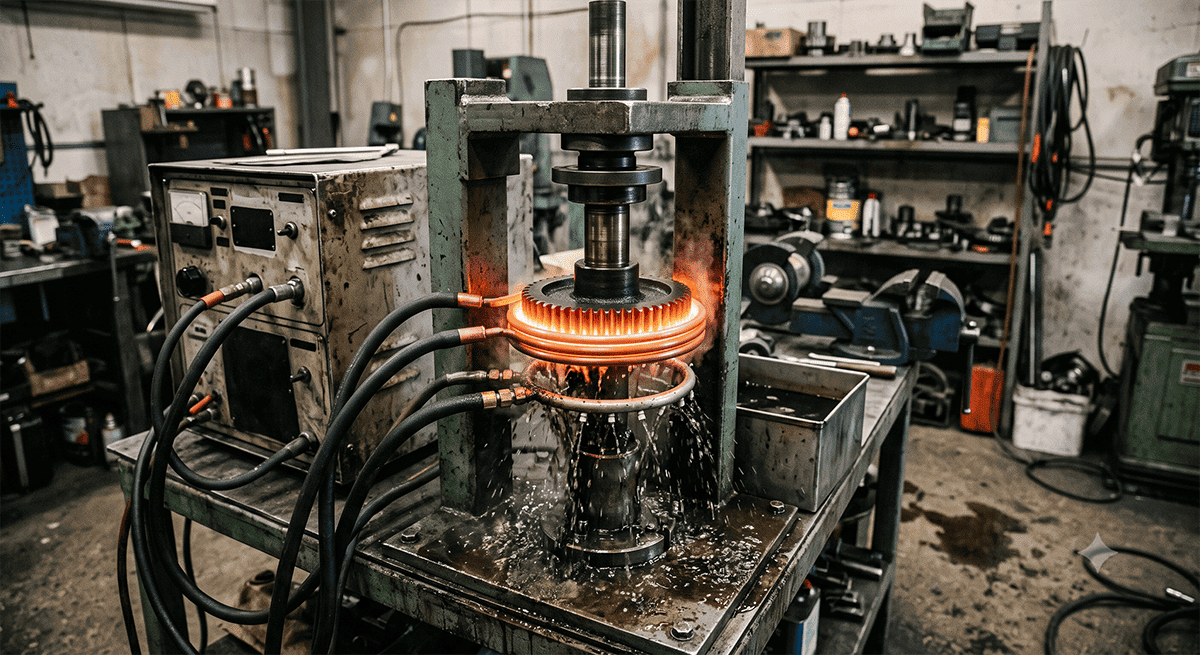
What Is Induction Hardening? A Modern Method for Surface Hardening Metals
Induction hardening is a fast, precise industrial method for locally hardening metal surfaces without seriously affecting the core.
-
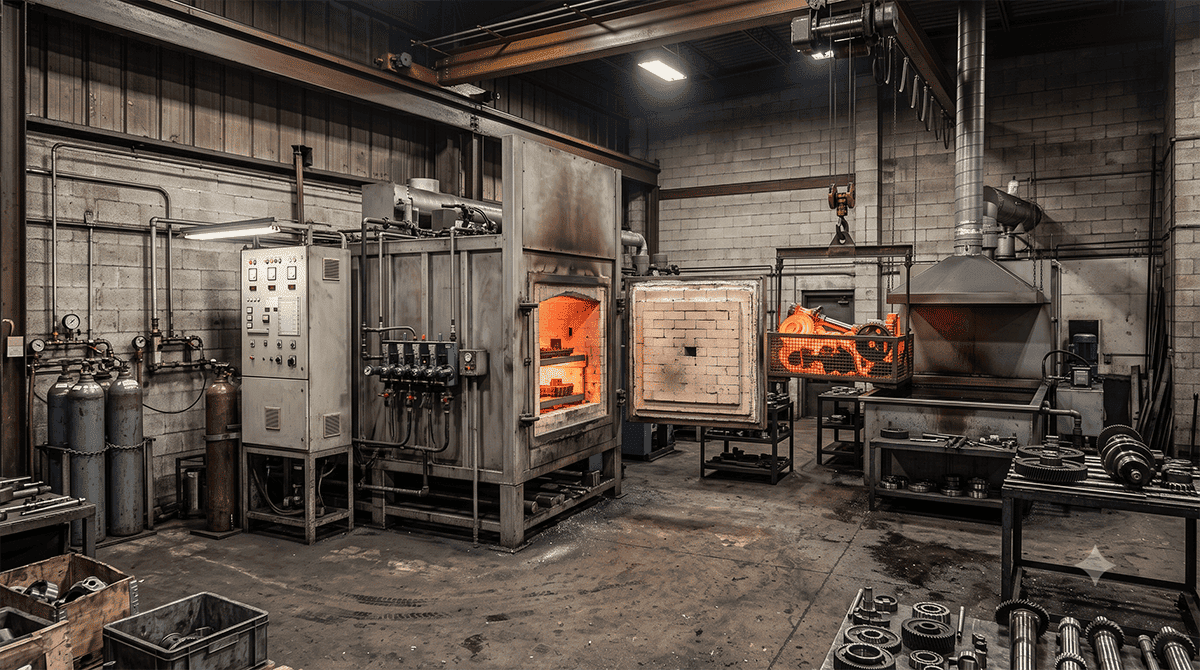
What Is Homogenization? Understanding the Homogenization Process in Alloys
Homogenization reduces chemical and structural non-uniformity and prepares the material for downstream processing.
-
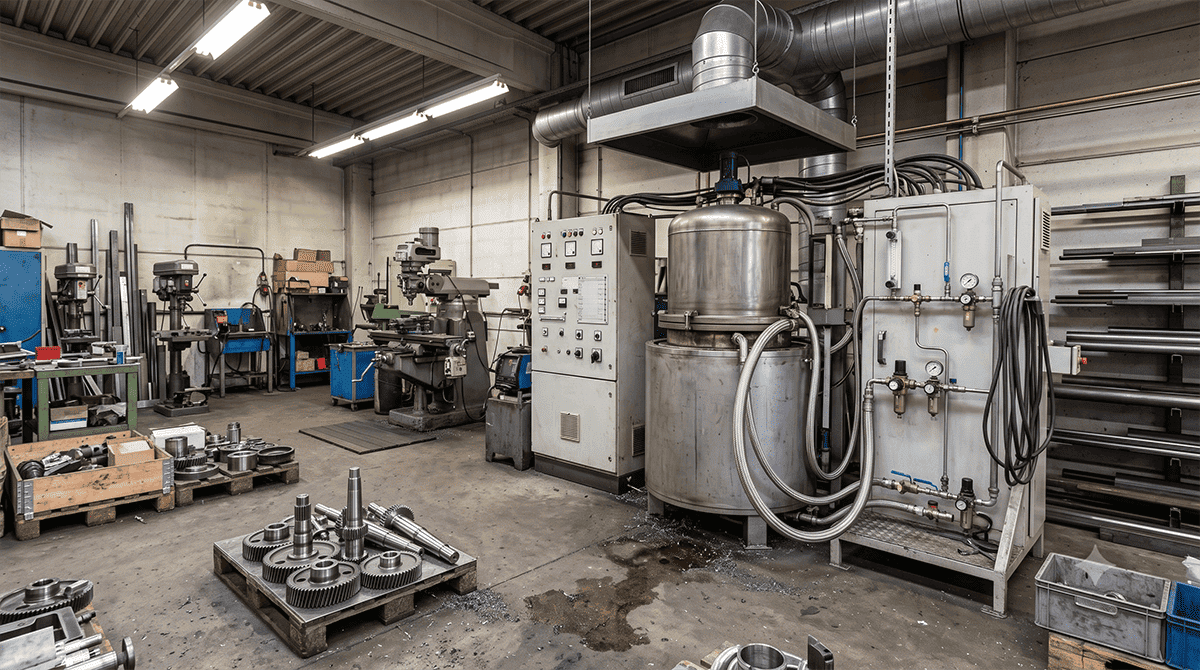
What Is Carbonitriding? Combining Carbon and Nitrogen Diffusion in Steel
Carbonitriding combines the benefits of carbon and nitrogen to create a hard, durable surface for small and precise components.
-
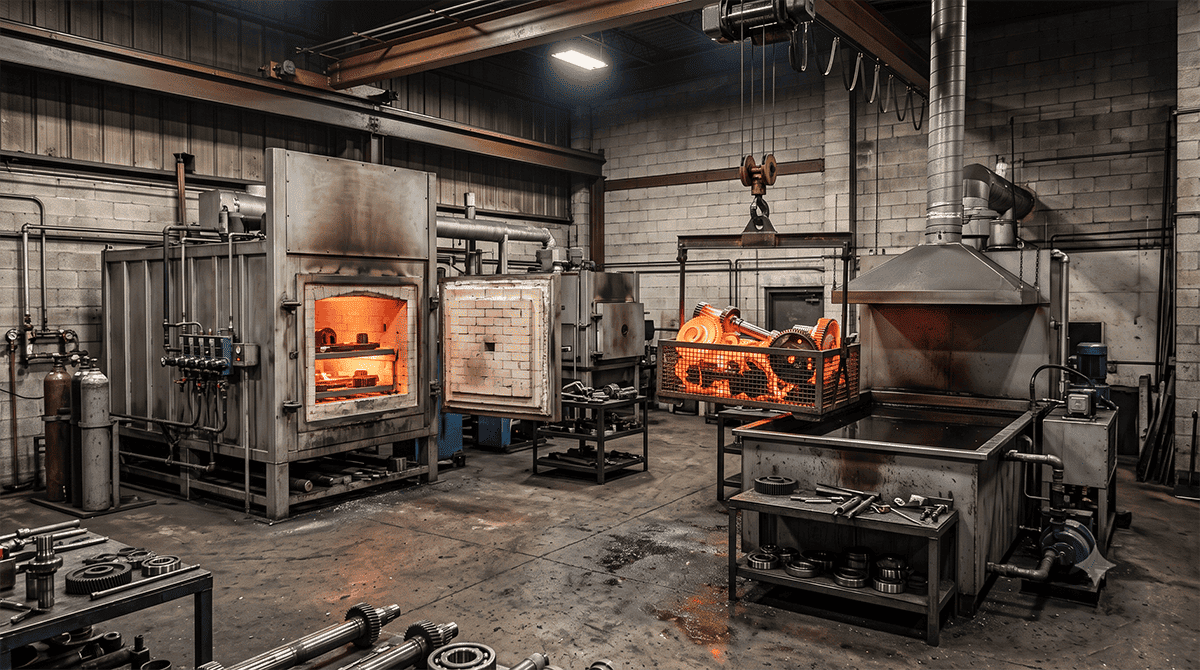
What Is Carbon Enrichment? The Role of Surface Carbon Increase in Heat Treatment
Carbon enrichment improves a part surface's ability to harden and is one of the key principles of surface engineering in steels.
-
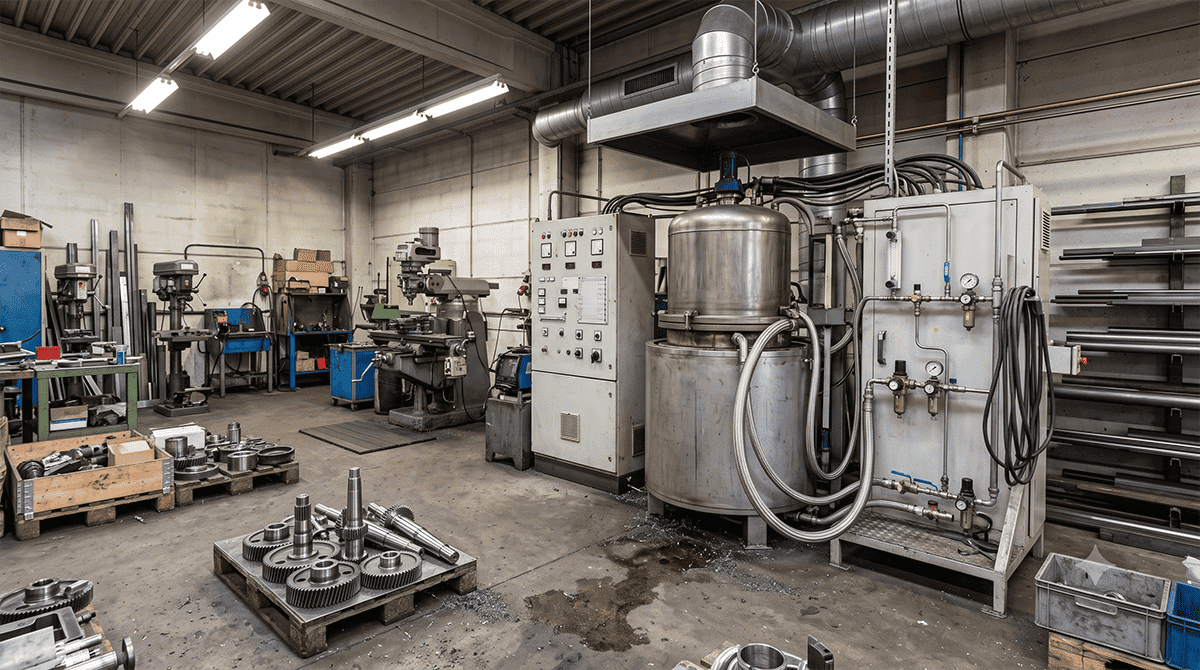
What Is Nitriding? Increasing Surface Hardness Through Nitrogen Diffusion
Nitriding forms hard nitride layers that improve surface resistance while typically causing very little distortion.
-
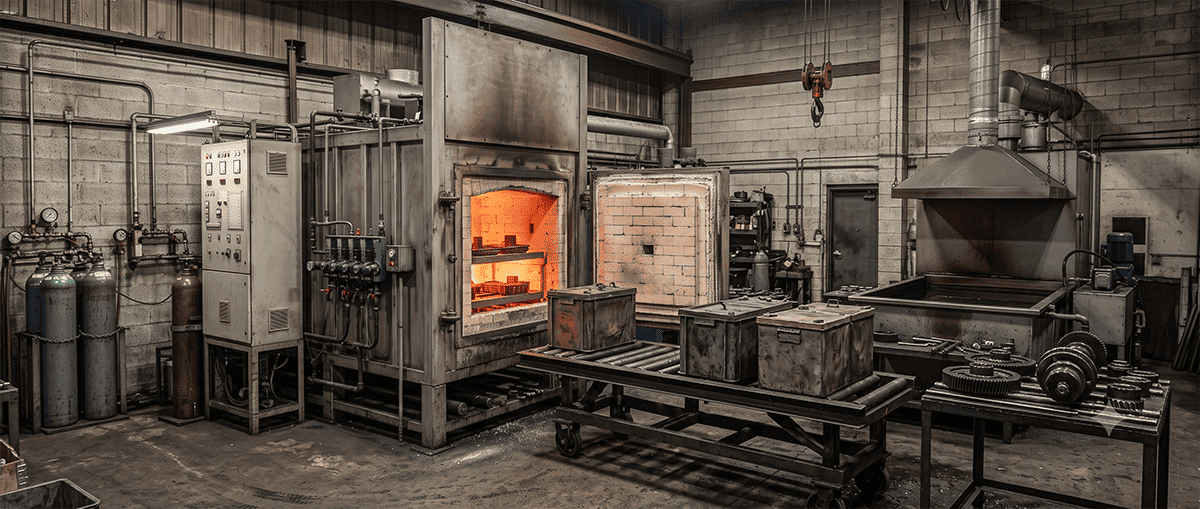
What Is Carburizing? Surface Hardening Steel Through Carbon Diffusion
Carburizing hardens the surface of low-carbon steel while keeping the core of the part tough and resistant.
-
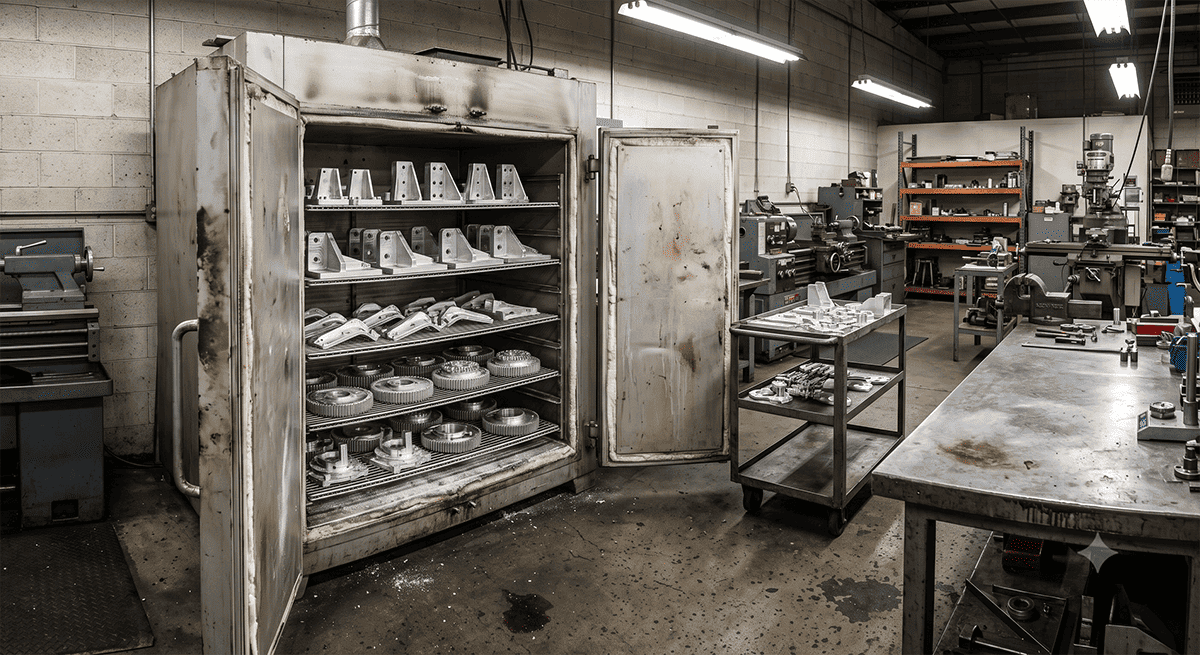
What Is Age Hardening? Understanding the Precipitation Hardening Process
Age hardening forms fine precipitates within the alloy matrix, restricting dislocation motion and increasing strength and hardness.
-
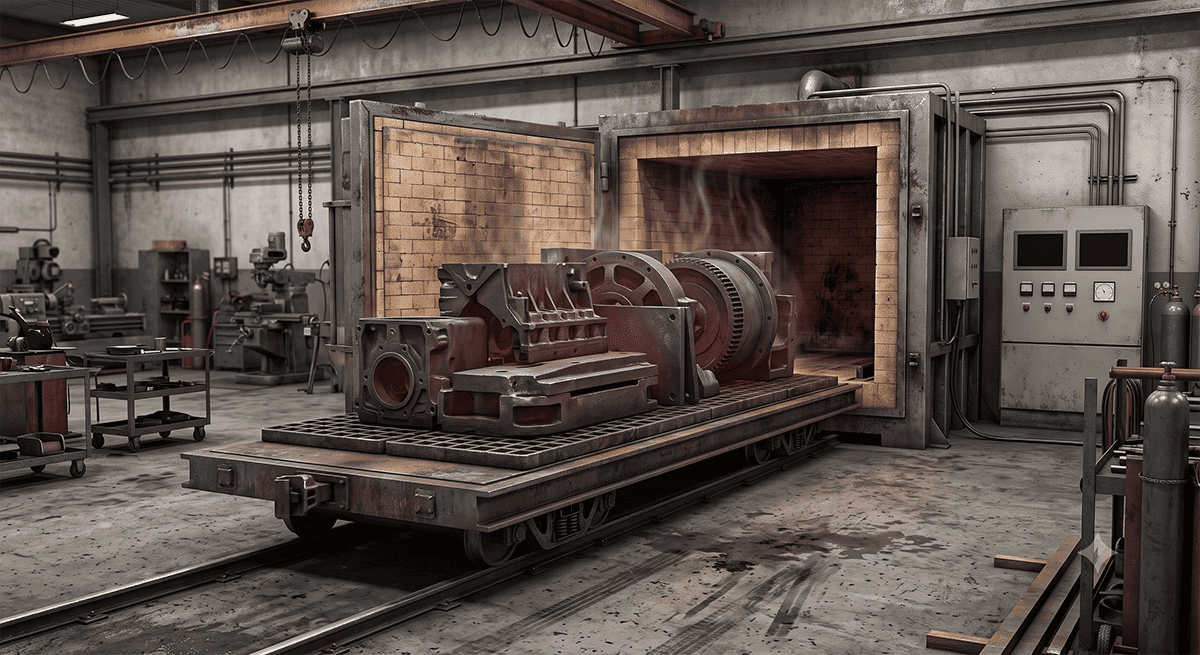
What Is Stress Relieving? Why It Matters for Metal Components
Stress relieving reduces residual stresses and helps prevent distortion, cracking, and instability in metal parts.
-
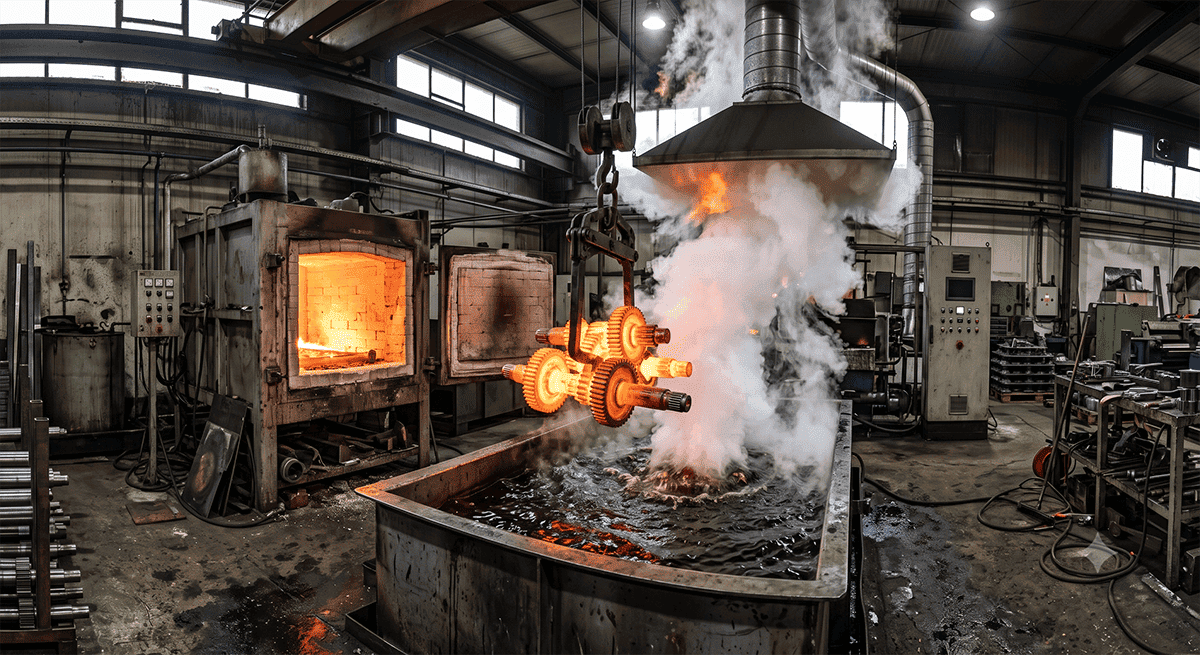
What Is Quenching? A Guide to Rapid Cooling in Heat Treatment
Quenching rapidly cools a heated part to enable hard structure formation and is a core stage in many heat treatment processes.
-
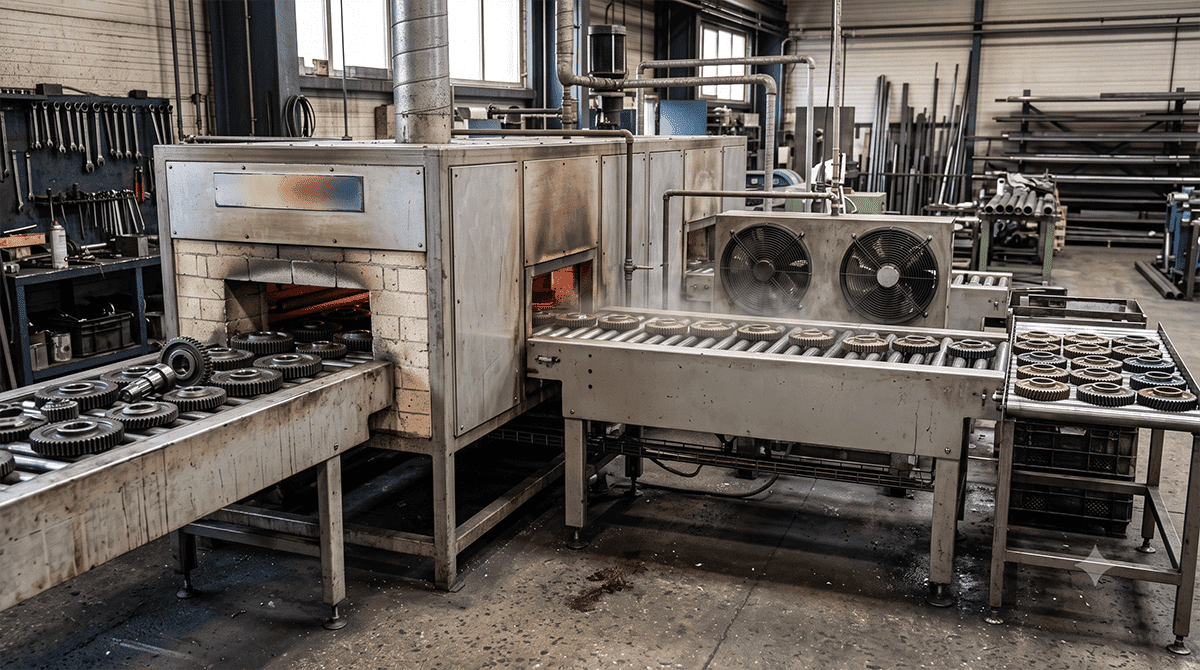
What Is Tempering? The Role of Tempering in Improving Steel Properties
Tempering controls the hardness created by hardening and prepares the part for real service by reducing brittleness.